
Categories
Living in Raleigh neighborhoods, Raleigh Real EstatePublished March 9, 2026
The Raleigh Street Test: Why Two Homes One Block Apart Can Sell $120K Apart

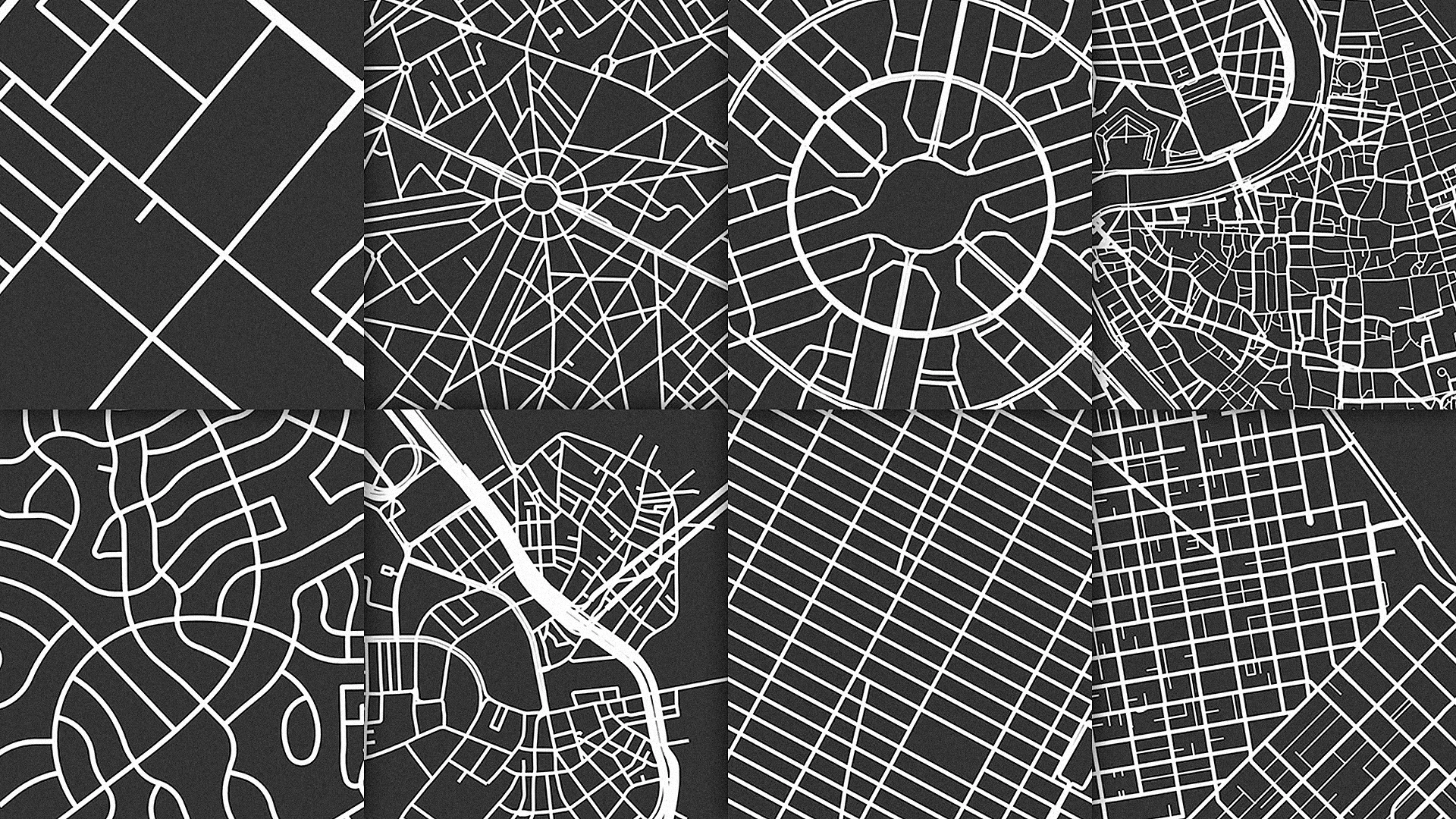
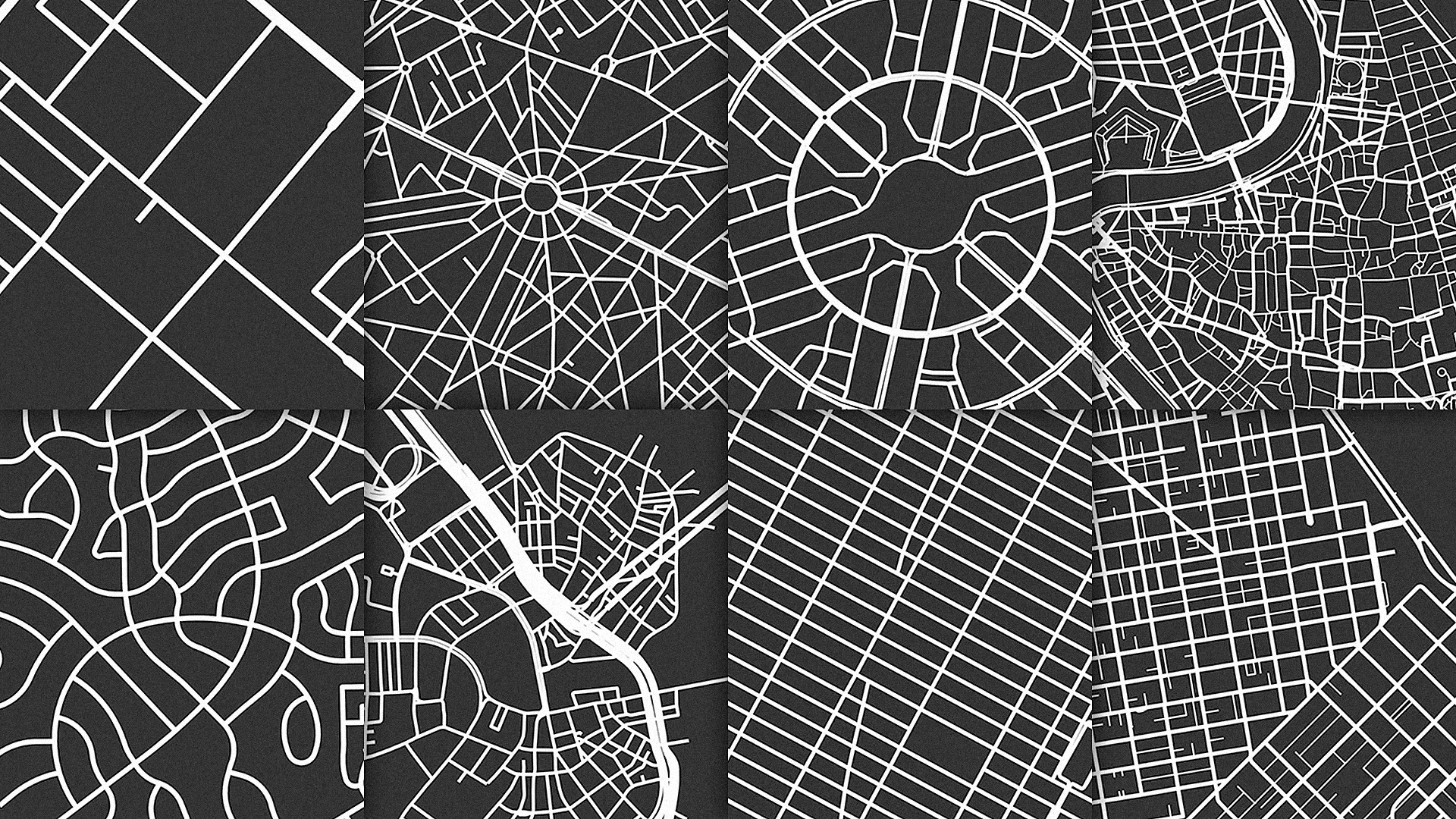
Raleigh Isn’t One Market
One of the biggest misconceptions about Raleigh real estate is that the entire city behaves like one market.
It doesn’t.
Raleigh is really hundreds of small, hyper-local markets, each shaped by lifestyle patterns, school zones, new construction, commute routes, and neighborhood identity.
Two homes that look nearly identical on paper can perform very differently if they sit on different streets.
The price difference can easily reach $100,000 or more, even within the same neighborhood.
That’s what I call The Raleigh Street Test.
If you want to understand how homes really move in this market, you have to look beyond city averages and focus on what is happening at the street and micro-neighborhood level.
What Actually Determines a Home’s Value
Buyers often assume pricing is based mostly on square footage, bedrooms, or renovations.
Those things matter.
But they are rarely the biggest drivers.
In Raleigh, value is heavily influenced by what is happening around the home, not just inside it.
Key factors include:
• What sold recently on the same street
• New construction nearby
• School zone demand patterns
• Walkability and lifestyle proximity
• Traffic flow and commute routes
• Neighborhood reputation among buyers
Two streets inside the same subdivision can have completely different buyer demand.
One may attract relocating professionals and young families.
The other may struggle to generate the same interest.
That difference alone can shift pricing dramatically.
Buyers Choose Lifestyle Before They Choose a House
Another reason homes perform differently comes down to how buyers think.
Today’s buyers don’t start with floor plans.
They start with lifestyle.
They ask questions like:
-
Can we walk to coffee shops or parks?
-
How long is the commute to RTP or downtown?
-
What is the feel of this neighborhood at night?
-
Are there trails, greenways, or community spaces nearby?
-
What kind of neighbors typically live here?
Once buyers find a street that fits their lifestyle vision, they often become far more flexible on the house itself.
That’s why two homes that look similar online can produce very different results once buyers experience the surrounding area.
The New Construction Effect
New construction can also reshape the value of nearby homes.
Every new phase in a community changes:
• buyer expectations
• pricing anchors
• neighborhood traffic patterns
• perceived growth potential
Sometimes new construction lifts resale values.
Sometimes it creates competition that resale homes struggle to match.
Understanding that dynamic requires watching buyer behavior in real time, not just relying on traditional comps.
Raleigh’s Micro-Markets Are Getting Stronger
As Raleigh grows, these micro-markets become even more important.
Neighborhoods like:
• Five Points
• Bay Leaf
• Wakefield Estates
• Falls Lake communities
• Durham’s Forest Hills and Duke Forest areas
Each operate with their own buyer demand patterns.
Some attract relocation buyers.
Others attract long-term locals or downsizing homeowners.
Each group behaves differently when making purchasing decisions.
Why This Matters for Sellers
If you are thinking about selling in Raleigh, relying on city-wide averages or automated home estimates can lead to serious pricing mistakes.
Your home’s value is shaped by:
• your street
• nearby sales activity
• neighborhood lifestyle demand
• upcoming development nearby
• the type of buyers currently searching your area
That’s why accurate pricing always requires a street-level understanding of the market.
Why This Matters for Buyers
For buyers, understanding micro-markets helps you spot opportunities.
Sometimes the best long-term value sits just one street over from the hottest pocket of a neighborhood.
Buyers who understand how Raleigh’s micro-markets evolve often position themselves better for long-term appreciation.
The Bottom Line
Raleigh real estate isn’t about one city-wide market.
It’s about hundreds of small neighborhood ecosystems, each moving at its own pace.
The homes that sell fastest and strongest are the ones that align with the lifestyle buyers want in that specific pocket of the city.
Understanding that difference is what separates a simple transaction from a smart real estate decision.
Curious How Your Neighborhood Is Moving?
If you're curious how demand is shifting in your part of Raleigh, I’m always happy to share what I’m seeing on the ground.
Sometimes the most valuable real estate insight isn’t the city average.
It’s what just happened three houses down the street.

Nicole Anglin
| Guided Path Realty at HomeSmart
or another way